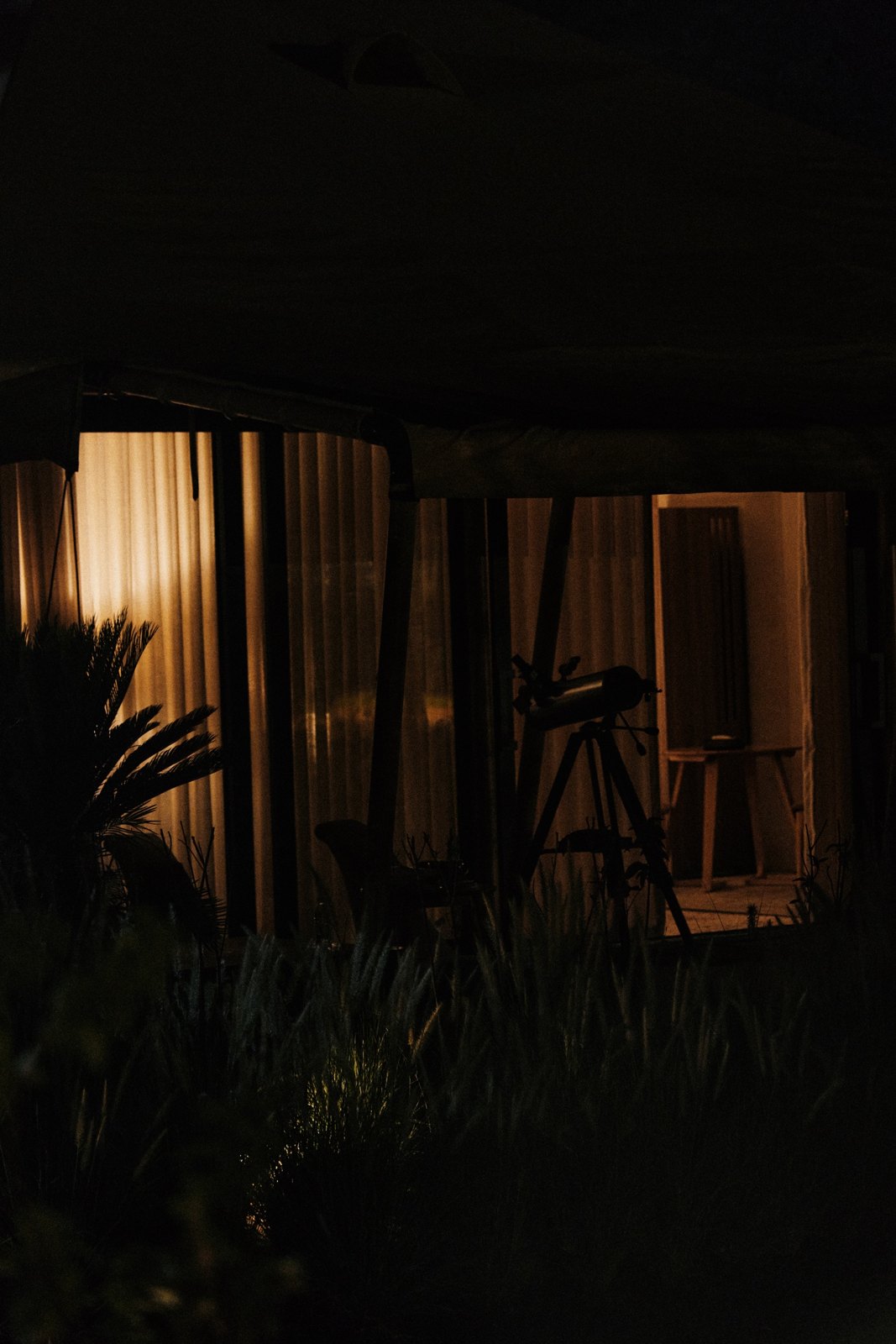
There’s a particular hour in Riyadh — somewhere after eleven at night — when the restaurants are full, the roads are busy and the day should probably be over. Here, it often feels like it’s just getting started.
Dinner at ten. A meeting that becomes another meeting. A WhatsApp message that absolutely could have waited until morning — but did not. Riyadh is ambitious, social, restless and very much alive.
But inside all that motion is a question: where does looking after ourselves fit into a life that is already very full? We schedule workouts, dinners, flights and entire weekends. Sleep and recovery tend to get whatever is left.
Being well surely means more than having enough energy to keep going. It means having the capacity to enjoy the life we’re working so hard to build.
When Riyadh comes back outside
Then the weather turns. Terraces refill. Wadi Hanifah gets busy. Run clubs emerge before sunrise. Someone remembers they own a bicycle. After months of strategically moving between air-conditioned spaces, we get some choice back.
Movement becomes less of an appointment and more of something that happens during the day. No complicated protocol required. Sometimes the health intervention really is: go outside and move your legs.
Can we build routines that survive after the perfect weather disappears? Not because every walk needs to become a “habit stack.” Please, let us enjoy some things. But because the easiest habits to keep eventually stop feeling like work.
Rest is not the opposite of ambition
Riyadh understands ambition extremely well. Rest? We’re still negotiating. The workout completed, the deadline met: those are easy to count. Recovery produces a much less impressive screenshot.
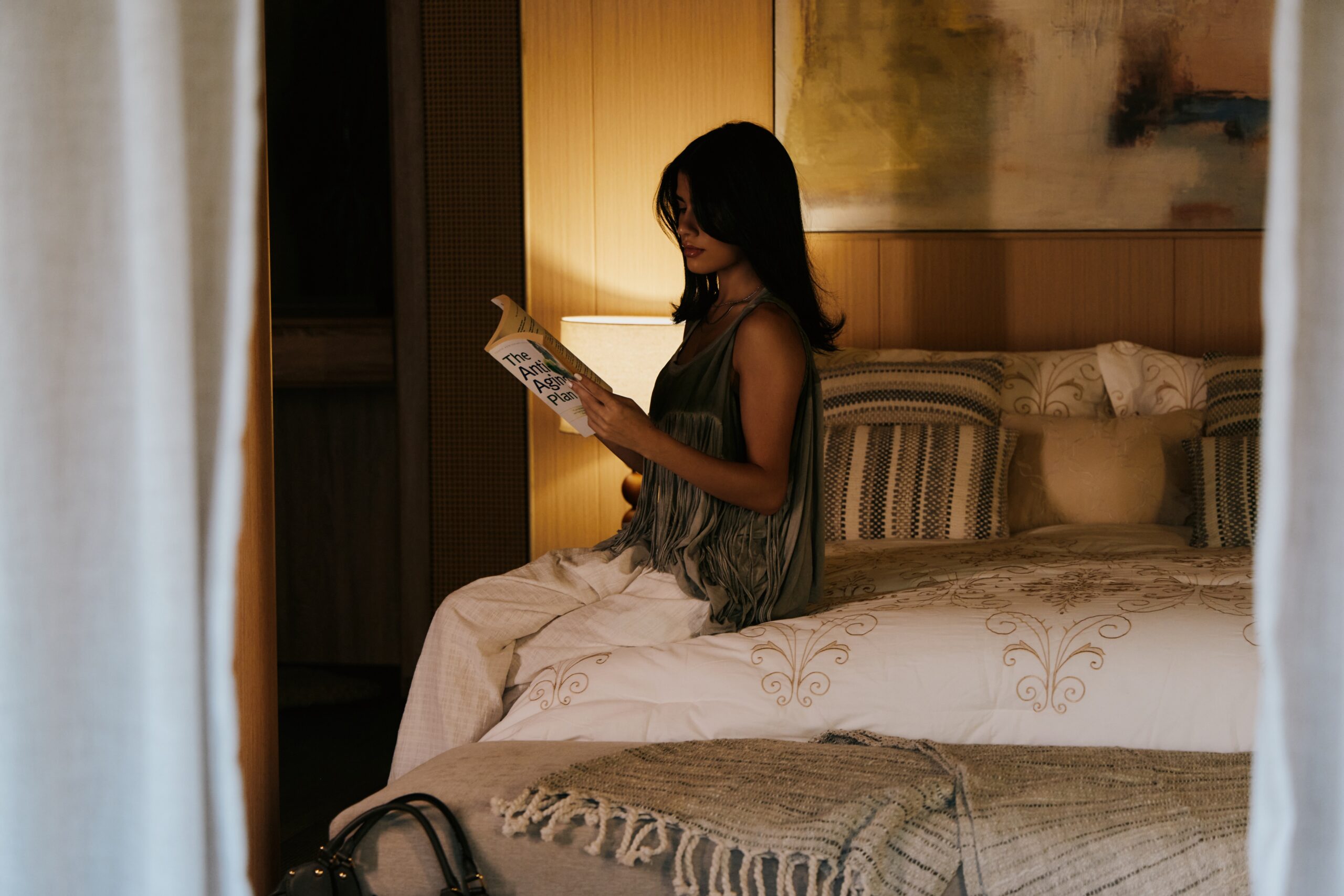
Yet sleep supports memory, mood and physical recovery. Training creates the stimulus; recovery is where much of the adaptation happens. The part that feels like “doing nothing” is often doing quite a lot. Slightly inconvenient for those of us hoping another coffee might do the same thing.
Recovery makes ambition sustainable. Sleep, movement, downtime and good company aren’t rewards for finishing everything important. They help us keep showing up for it.
Better in company
Long majlis evenings. Family weekends. The coffee that was supposed to take twenty minutes. Riyadh already understands that life is better with people in it.
Our healthiest routines can work that way too: a run because friends are waiting, a walk that doubles as a catch-up, a cycling group that turns exercise into gossip with helmets. Company gives us a reason to show up again.
That idea shapes LifeLab. You come for the class, stay for coffee, meet someone and sign up for something else. Suddenly, taking care of yourself looks suspiciously like having a social life. We can live with that.
A different measure of progress
Feeling well doesn’t require escaping the city or deleting WhatsApp. Although, admittedly, a weekend might be nice. It means finding your own rhythm: a little more daylight, sustainable training, a bedtime you respect more often than you negotiate with, and people who leave you better for having seen them.
Health is built through ordinary decisions, repeated often enough to shape how we live. Not stepping away from the life you’re building — but building yourself in a way that lets you fully live it.